

examples of global B2B networks
Global business connections have become essential for companies seeking to expand their reach and tap into international markets. One way businesses achieve this is by joining a B2B network, which facilitates partnerships, collaborations, and trade opportunities across borders. A B2B network connects businesses from different regions, allowing them to share resources, insights, and opportunities that accelerate growth. For companies looking to scale globally, understanding examples of successful networks can provide inspiration and a roadmap for strategic engagement.
An excellent example of a global B2B network is Alibaba’s platform. It brings together manufacturers, suppliers, and buyers from around the world, offering businesses access to a vast marketplace for products and services. Companies can find reliable partners, compare pricing, and negotiate deals efficiently within this network. The Alibaba B2B network demonstrates how digital platforms can break geographical barriers, making it easier for businesses to operate internationally without establishing local offices in every country.
Another notable example of a global B2B network is ThomasNet. Originally focused on North American markets, it has expanded its reach and now serves as a resource for connecting industrial companies worldwide. ThomasNet provides detailed information about suppliers, product catalogs, and business capabilities, enabling businesses to make informed decisions. Engaging with a b2b network like ThomasNet allows companies to identify potential partners quickly and establish credibility in foreign markets, which is crucial for scaling operations effectively.
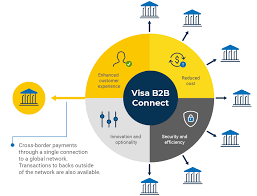
What are examples of global B2B networks?
Global trade associations also act as influential B2B networks. Organizations such as the World Trade Organization (WTO) and International Chamber of Commerce (ICC) create platforms for businesses to interact, share best practices, and collaborate on trade initiatives. These networks provide regulatory guidance, networking events, and access to international business opportunities. By participating in such a B2B network, companies can stay informed about global trade regulations, find strategic alliances, and enhance their competitive advantage in international markets.
Industry-specific platforms are another form of global B2B network. For instance, healthcare-focused networks connect hospitals, medical device manufacturers, and suppliers worldwide. These networks streamline procurement, facilitate joint research, and enable knowledge exchange. Companies in niche industries benefit greatly from these specialized B2B networks, as they provide targeted opportunities that may not exist in broader marketplaces.
Furthermore, digital platforms like LinkedIn act as informal global B2B networks. While widely known as a social platform, LinkedIn has become a hub for businesses to connect, share insights, and establish partnerships globally. Companies can identify potential clients, collaborators, or suppliers and initiate conversations that could lead to valuable business relationships. The professional credibility built within such a B2B network enhances trust and increases the likelihood of successful collaborations across continents.
In summary, examples of global B2B networks range from large-scale marketplaces like Alibaba to industry-specific platforms and trade associations. These networks facilitate connections, partnerships, and collaborations that are critical for businesses seeking international growth. Engaging with a B2B network enables companies to overcome geographical limitations, access resources, and build credibility, making global expansion more achievable. By leveraging these networks, businesses can enhance operational efficiency, discover new opportunities, and thrive in the interconnected world of international commerce.
