

Pilates beds suitable
While injury can be unavoidable, it’s often possible to prevent injuries through targeted exercises and movement patterns. Pilates is one such exercise that focuses on building muscle strength, flexibility and mobility, while also improving posture and coordination. With the guidance of a qualified instructor, pilates can help reduce injuries in the future.
Whether on the mat, with an elastic band, tubing or rings or on specialised equipment such as the Reformer, Trap Table and Wonder Chair, Pilates exercises are tailored to each individual client and can be modified for those with injuries. In fact, pilates can be used to treat a range of injuries from knee pain to fibromyalgia.
The most common injuries that pilates can help to heal and prevent are shoulder, back and neck injuries. These injuries are often caused by weak, imbalanced muscles or incorrect movement patterns. The focus on single-sided movements in Pilates can strengthen the opposing muscles, creating balance and preventing the injury from occurring again.
Pilates is renowned for strengthening the core muscles, which are the key to stability and mobility. A weak core is a common cause of back pain, and can lead to problems throughout the body, including the knees, groin and neck. In pilates beds, the core is strengthened through a series of movements that focus on the deeper muscles that are harder to activate. This is different from crunching your abs, as the exercises force you to connect your mind and body, synching your breath with your movements.
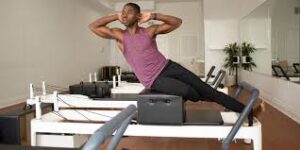
Are Pilates beds suitable for people with injuries?
In addition to strengthening the core, Pilates can also aid in rehabilitative exercise and recovery from injury by helping to correct faulty movement patterns. For example, when Mark injured his knees, he developed an uneven gait as a result of overusing the stronger leg. He started practising Pilates, and after 2 years, his knees were strong enough to stop him developing an uneven gait.
As well as assisting with recovery, Pilates can reduce the psychological impact of an injury. Research shows that mental distress can increase the time it takes for wounds to heal, so the mindful nature of Pilates helps to reduce stress levels. Furthermore, the emphasis on connecting the mind and body encourages you to take responsibility for your own wellbeing, which can be empowering for someone recovering from an injury.
It’s important to always seek the advice of a qualified instructor before beginning any new exercise program, and especially when using specialised equipment like a reformer. However, reformer pilates can provide a safe and effective alternative to other gym-based exercise and physical therapy, and can be used to aid in rehabilitation from injury or supplement existing treatment under a doctor’s approval. This is especially true if you choose to work with a highly trained instructor, who will be able to tailor the Pilates sessions to suit your specific injury.
The Pilates reformer was invented by Joseph Pilates in the early 20th century. Pilates, a German physical trainer, developed the apparatus and exercise system after being inspired by his background in various forms of physical training, including gymnastics, yoga, and boxing. While working as a nurse during World War I, Pilates devised the reformer by attaching springs to a hospital bed frame to help bedridden patients exercise and rehabilitate.


