

flexible PCBs be used in high-power applications
When it comes to designing flexible printed circuit boards, there are many rules that must be followed to ensure the quality and durability of these high-stress, power-handling devices. To avoid wasting copper, manufacturers must carefully consider the thickness and layout of conductors, traces and pads in their designs. Moreover, the conductive layers need to be properly spaced to ensure signal integrity and prevent overheating. Additionally, manufacturers must choose the proper copper film and laminate materials to create a reliable flexible PCB.
Flex PCBs have a much lower production cost than traditional rigid PCBs and offer higher efficiency due to the fact that they do not require multiple interconnecting rigid boards. This helps reduce waste and allows manufacturers to practice eco-friendly practices by using fewer chemicals during the manufacturing process. Copper plating is also a key factor in determining the quality of a flexible PCB, as this is the first step in ensuring the longevity and performance of your product. Copper is plated onto the board via chemical baths and then covered with a thin layer of polyimide to protect the copper from damage during the assembly process. Lastly, the PCB is polished and then soldered with the help of specialized machines.
The flexibility of a flexible pcb makes it an excellent choice for use in high-stress environments, where the device will be subjected to varying temperatures and vibrations. In addition, a flex PCB can adapt to the contours of a designated system without adding unnecessary weight to its overall design. This makes it a great choice for the automotive industry, as well as aerospace applications.
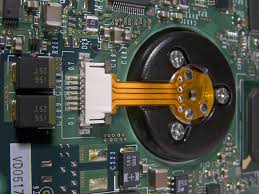
Can flexible PCBs be used in high-power applications?
Rigid-flex PCBs combine standard circuit board construction with flexibility, making them a reliable solution for mission-critical, high-power applications. In addition, the thermal management features of rigid-flex PCBs can withstand harsh environmental conditions such as extreme temperatures and vibrations.
Depending on your application, you may need to reinforce a flexible PCB’s flexible areas with additional copper layers or stiffeners to ensure stability and durability. It is also important to design a robust PCB that can withstand repeated bending to prevent it from failing due to mechanical stress.
Market adoption of flexible PCBs is being driven by several key industries. In consumer electronics, the push for smaller, lighter, and more portable devices has made flexible PCBs a critical component in products like smartphones, tablets, and wearable technology. The medical industry is also a significant adopter of flexible PCBs, where their biocompatibility and flexibility make them ideal for use in implantable devices, diagnostic tools, and patient monitoring systems.
A flexible PCB can be used in a wide range of applications, including smart home gadgets, industrial sensors and wearable technologies. They are also a great fit for the Internet of Things, as they can easily adapt to different environments and connect to multiple devices simultaneously. They are also an ideal option for medical wearables and implants that must be able to withstand a lot of pressure. The specialized design of a flexible PCB is particularly useful for these types of devices because it can accommodate a wide range of components in tight spaces. However, you must be careful when handling a flexible PCB, as it can become damaged or deformed if handled improperly.


