

Printed Circuit Board Assemblies
The internet of things (IoT) relies on the intricate magic of printed circuit board assemblies, which house and connect electronics to form a functional unit. These tiny boards are the core of IoT devices, containing low-voltage electrical power, complex electronic control algorithms, proprietary data, and connectivity technologies to relay that information over the cloud. In order to meet consumer demand, PCB assembly processes must be fast and reliable to prevent quality issues at the production level.
IoT devices are becoming more compact in size, requiring PCB designers to incorporate new and innovative technology into smaller forms. This includes new materials, layout advancements, and advanced manufacturing techniques. For instance, flexible PCBs are increasingly used in IoT wearables such as fitness trackers because they can flex and bend with the user without compromising functionality. This is possible due to specialized polyimide fabrication, a material known for its thermal stability and flexibility. This type of PCB allows for a variety of components to be integrated into the same physical space, which can increase performance and reduce power consumption.
Additionally, IoT devices must have adequate thermal management features in order to operate reliably under demanding conditions. This is necessary because of their small size and battery powered design. Using thermal vias with copper plating and reducing the width of traces can help reduce hot-spots in the device. In addition, it’s critical to use high-speed signal routing and minimize the number of traces in each area to maximize efficiency.
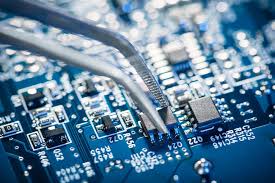
Printed Circuit Board Assemblies and the Internet of Things
Power efficiency is another major issue that must be addressed by IoT devices. Since many IoT devices are battery powered, it’s crucial that the batteries can last for a long period of time. This is accomplished by incorporating power management features into the PCB, such as power regulators and energy harvesting components. Additionally, IoT PCBs are designed with power efficient microcontrollers to optimize battery life and operational capability.
PCBs that are designed for IoT applications also include a variety of sensors to gather and process data from the physical environment. This information is then transmitted to a central server and used for analytics, alerts, and reporting. Sensors can detect changes in temperature, humidity, motion, light, and vibration to name a few examples.
IoT device PCBs are designed to withstand rigorous operating conditions, such as temperature fluctuations and power surges. As a result, it’s important that IoT device manufacturers collaborate with PCB designers throughout the product design process to ensure that the final product can withstand these harsh environmental conditions. This may involve utilizing high-temperature materials such as FR-4 and HASL, or it could mean integrating flexible PCBs that can flex and conform to the shape of the device. IoT device PCBs are also often designed to be compact and lightweight in order to improve the end user experience. This can be achieved through the strategic placement of components, minimizing wire lengths, and by using advanced technology such as HDI. Combined with a robust IoT PCB assembly process, these technologies can significantly improve the reliability and durability of IoT devices.


