

Principles Behind Flexible Printed Circuit Manufacturers
Flexible printed circuit manufacturers must be aware of how the different steps involved in producing a flex PCB can impact the final product. This includes how the conductive copper tracks should be laid out on the board. Ideally, the layout should minimize the number of overlapping connections and provide the shortest possible signal path. This will reduce the overall size of the circuit and improve its performance.
Flexible circuits are used in a wide range of electronic devices, from laptops and cell phones to automobiles and medical equipment. They offer many benefits compared to traditional interconnection techniques like soldered wires and hand-wired connectors. These include reduced weight and space requirements, high mechanical resistance, good tolerance to vibrations and mechanical stresses and excellent electromagnetic immunity (EMI).
The manufacturing process of a flex circuit begins with preparing the substrate material by cleaning and etching it to create a surface for printing. The patterned copper conductors are then printed using a photolithography process. This is a critical step, because it transfers the pattern from the design to the substrate. Afterwards, the etch resist is chemically stripped to reveal the conductive copper.
After the conductive copper is etched, it must be cleaned and treated to remove any contaminants that could affect its electrical properties. Depending on the design, this can involve multiple steps. For example, the conductive copper may have to be plated with nickel or gold to ensure maximum reliability and performance.
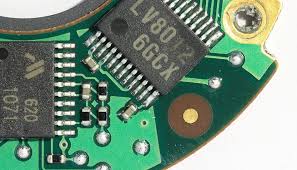
The Basic Principles Behind Flexible Printed Circuit Manufacturers
A polyimide or polyurethane coating is then applied to the exposed copper for protection. This also prevents moisture and dust from damaging the circuit. The coating can be covered with a layer of adhesive, which helps protect the circuit when it’s in use. In addition, this will help prevent the flex circuit from being damaged during assembly processes like wire bonding.
When designing a flexible printed circuit manufacturers, engineers must consider the amount of bending that will be required. This is because the circuit will have to withstand continuous bending and stretching during operation, which can damage it over time. To prevent this, designers should determine the minimum bend radius early in the design process.
The next step in the production process is to laminate the flex circuit to rigid components or another flex circuit. This will give the circuit a stronger structure, and ensure that it can withstand bending and stretching over the life of the device. The flex circuit is then mounted using a combination of surface mount technology and through-hole components. The entire assembly is then tested to make sure that it meets all the necessary electrical and mechanical specifications.
If any problems are found, the flex circuit must be corrected before production continues. This step is crucial to ensuring that the finished product meets customer expectations. A reputable flex circuit manufacturer will always test a prototype before starting production. This will allow engineers and designers to suggest and incorporate any changes needed before the final product is produced.


