

types of printed circuit board assembly configurations available
Printed circuit board assembly (PCBA) configurations play a crucial role in the functionality and efficiency of electronic devices. These configurations determine how components are arranged and interconnected on the circuit board, impacting factors like performance, cost, and size. Understanding the various types of PCBA configurations is essential for designers and manufacturers aiming to optimize their products for specific requirements and constraints.
One common printed circuit board assembly configuration is the single-sided assembly, where components are mounted on one side of the circuit board. This configuration is cost-effective and relatively simple to manufacture, making it suitable for many consumer electronics and low-complexity applications. However, single-sided assemblies have limitations in terms of component density and circuit complexity, making them less suitable for advanced electronic devices.
In contrast, double-sided assembly involves mounting components on both sides of the circuit board. This configuration allows for increased component density and more complex circuit designs compared to single-sided assemblies. Double-sided assemblies are commonly used in a wide range of applications, including industrial equipment, automotive electronics, and telecommunications devices. While more complex than single-sided assemblies, double-sided configurations are still cost-effective and offer versatility in design.
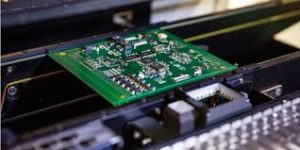
What are the different types of printed circuit board assembly configurations available?
For even greater component density and circuit complexity, multi-layer assembly configurations are employed. These configurations consist of multiple layers of conductive material sandwiched between insulating layers, with components mounted on both sides of each layer. Multi-layer assemblies offer significant advantages in terms of size reduction, signal integrity, and thermal management. They are commonly found in high-performance electronic devices such as smartphones, tablets, and computer systems.
Another important PCBA configuration is the rigid-flex assembly, which combines rigid and flexible circuit board segments within the same assembly. Rigid-flex configurations are ideal for applications that require both structural integrity and flexibility, such as wearable devices, medical implants, and aerospace systems. By integrating rigid and flexible segments, these assemblies can accommodate complex form factors and withstand mechanical stress without sacrificing electrical performance.
In addition to these primary configurations, there are various specialized PCBA configurations tailored to specific applications and requirements. For example, high-density interconnect (HDI) assemblies use advanced manufacturing techniques to achieve even greater component density and signal integrity. HDI configurations are commonly used in compact electronic devices where space is at a premium, such as smartwatches and IoT sensors.
Furthermore, there are mixed-technology assemblies that combine surface-mount and through-hole components on the same circuit board. This allows designers to leverage the strengths of both component types, optimizing performance, reliability, and manufacturability. Mixed-technology assemblies are often used in industrial control systems, automotive electronics, and military applications.
In conclusion, the choice of PCBA configuration is a critical decision that impacts the performance, cost, and feasibility of electronic devices. Designers and manufacturers must carefully consider factors such as component density, circuit complexity, form factor, and environmental requirements when selecting the appropriate configuration for their application. By understanding the different types of PCBA configurations available, stakeholders can make informed decisions to optimize the design and functionality of their products.


