

Different Types of Solder Used in Pcb SMT Assembl
When working with a printed circuit board, solder is one of the most critical components. Serving as a connective and conductive glue, solid solder establishes the electrical connections between metal elements in the circuit board. To ensure that a circuit board meets the highest quality standards, pcb smt assembly should include proper soldering techniques. In order to produce a high-quality product, it’s important to understand the different types of solder used in pcb smt assembly.
The first step in the pcb smt assembly process is applying solder paste to the surface of the board. Solder paste is a combination of powdered metal solder and a flux medium. It’s applied to the PCB using a stencil or foil with a pattern of apertures that match the locations of the component pads on the board. The thickness of the stencil must be carefully controlled to ensure that the correct amount of solder paste is deposited on each pad.
Once the solder paste has been applied, the next step is heating the boards to a predetermined temperature, known as the soak stage. During this time, the copper pads on the board are heated to their melting point. This removes any oxides from the pads and component leads, improving the wetting of the solder. The soaking stage also allows the flux in the solder paste to fully activate, helping to ensure that a strong bond is formed between the solder and the component pads and leads.
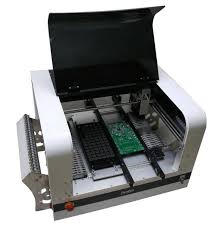
What Are the Different Types of Solder Used in Pcb Assembly?
During the reflow stage, the temperature of the solder is quickly increased to its melting point. The rapid temperature increase, which is called the ramp rate, helps to avoid damage to the components and prevents the solder from splattering. It’s important that the reflow temperature and ramp rate are carefully controlled to ensure that the solder stays in its liquid state for the right amount of time. If the solder is allowed to cool before it reaches its liquid state, it will harden and create brittle joints.
After the reflow stage, the boards are inspected by a 3D automated optical inspection machine (AOI). The AOI helps to verify that all of the solder joints on the board have been properly made and that they meet the required minimum gap and alignment specifications. If the AOI finds any problems with the solder joints, it’s important to address them immediately, before the assembly is shipped out to customers.
There are several types of solder that can be used in the reflow soldering process, depending on the type of component and its specific needs. For example, Sn-Pb (leaded) solder is a common choice for through-hole components because it offers excellent wetting properties and low melting temperatures. However, environmental regulations are pushing the industry toward lead-free alternatives. Another type of solder is known as soft solder, which uses lower liquefying temperatures to avoid breaking smaller or more delicate components. Finally, hard solder is used to establish stronger bonds between silver, gold, and copper components.


